
Tours to Israel » Travel to Israel » Pilgrimage to Jerusalem
For centuries, Jerusalem has been considered a holy city for Christians around the world. It holds immense historical and religious significance as the birthplace of Christianity and the setting for many important events in the life of Jesus Christ. A pilgrimage to Jerusalem is not just an inspiring journey that allows believers to strengthen their faith and experience profound spirituality, but also an opportunity to see and feel the atmosphere of those times and to reflect on the importance of faith in one’s life. A journey to Jerusalem always transforms a person—and always for the better.
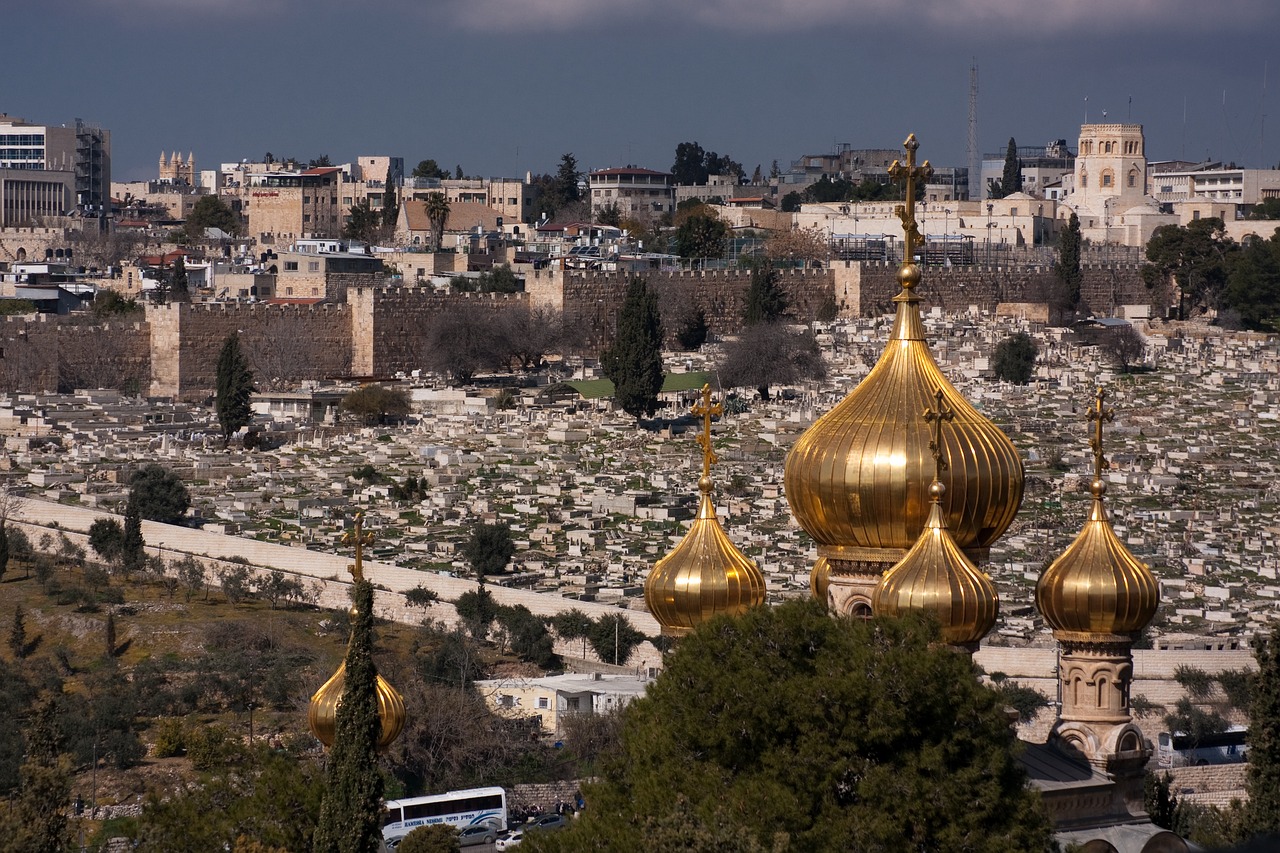
The Old City of Jerusalem holds immense significance in Christianity. It is the place that King David made the capital of the Kingdom of Judah, where King Solomon built the Temple, and the city into which Jesus Christ entered on Palm Sunday, where He spent His final days, was crucified, and was resurrected. These biblical events have made the city a center of Christian faith. Pilgrims visit Jerusalem to walk in the footsteps of Jesus. It is here that one can pray for loved ones and for oneself, and find answers to questions often lost in the bustle of everyday life. The rich history of Jerusalem and the deep sense of spirituality that permeates its streets make it an ideal destination for pilgrim travelers and leave a lasting impression on their hearts.
The narrow streets of the Old City still preserve traces of pilgrims from past centuries—the echo of their prayers and the sound of their footsteps. The shared experience of pilgrimage creates a connection between believers from different eras and countries, strengthening a sense of unity and solidarity in their faith.
Here is just a small selection of the places that Christian pilgrims from all over the world strive to visit. Each of them is unique in its historical and cultural significance. But most importantly, it is the impression they leave on people’s hearts and the spiritual power of prayer they embody.
The Church of the Holy Sepulchre, located in the Christian Quarter of the Old City of Jerusalem, is one of the holiest sites in Christianity. It is here that the Savior was crucified and buried, and where He rose again and appeared to His disciples.
The complex includes Golgotha, the site of the Crucifixion, the Rotunda, the main cathedral (Katholikon), the Chapel of Saint Helena, the underground Chapel of the Finding of the True Cross, as well as several monasteries and galleries.
The atmosphere in this church is truly unique—a powerful combination of seemingly opposite emotions: the profound sorrow of Christ’s suffering, beating, and crucifixion, and the greatest joy of the Resurrection and the salvation of all humanity.

Also known as the “Way of the Cross,” the Via Dolorosa (translated as the “Way of Sorrow”) is the path that Jesus walked carrying His cross to the place of crucifixion. Pilgrims have the opportunity to follow in Christ’s footsteps and reflect not only on His suffering endured for humanity, but also on the profound love He showed to each and every person.
The Mount of Olives offers a breathtaking panoramic view of the city from the east of Jerusalem. According to the Bible, this is the place where Jesus ascended into heaven (the Chapel of the Ascension is located here), and where He often prayed with His disciples. It was here that He taught them—and all of us—the Lord’s Prayer, and here that He wept over the fate of Jerusalem. The mountain is a symbol of resurrection and eternal life, mentioned in Old Testament prophecies as well as in traditional beliefs about the end of days.
The Garden of Gethsemane is located at the foot of the Mount of Olives. It is a place of deep reflection and prayer. It is believed to be where Jesus prayed on the night before His arrest, and pilgrims often seek comfort and spiritual renewal in its peaceful and serene atmosphere.
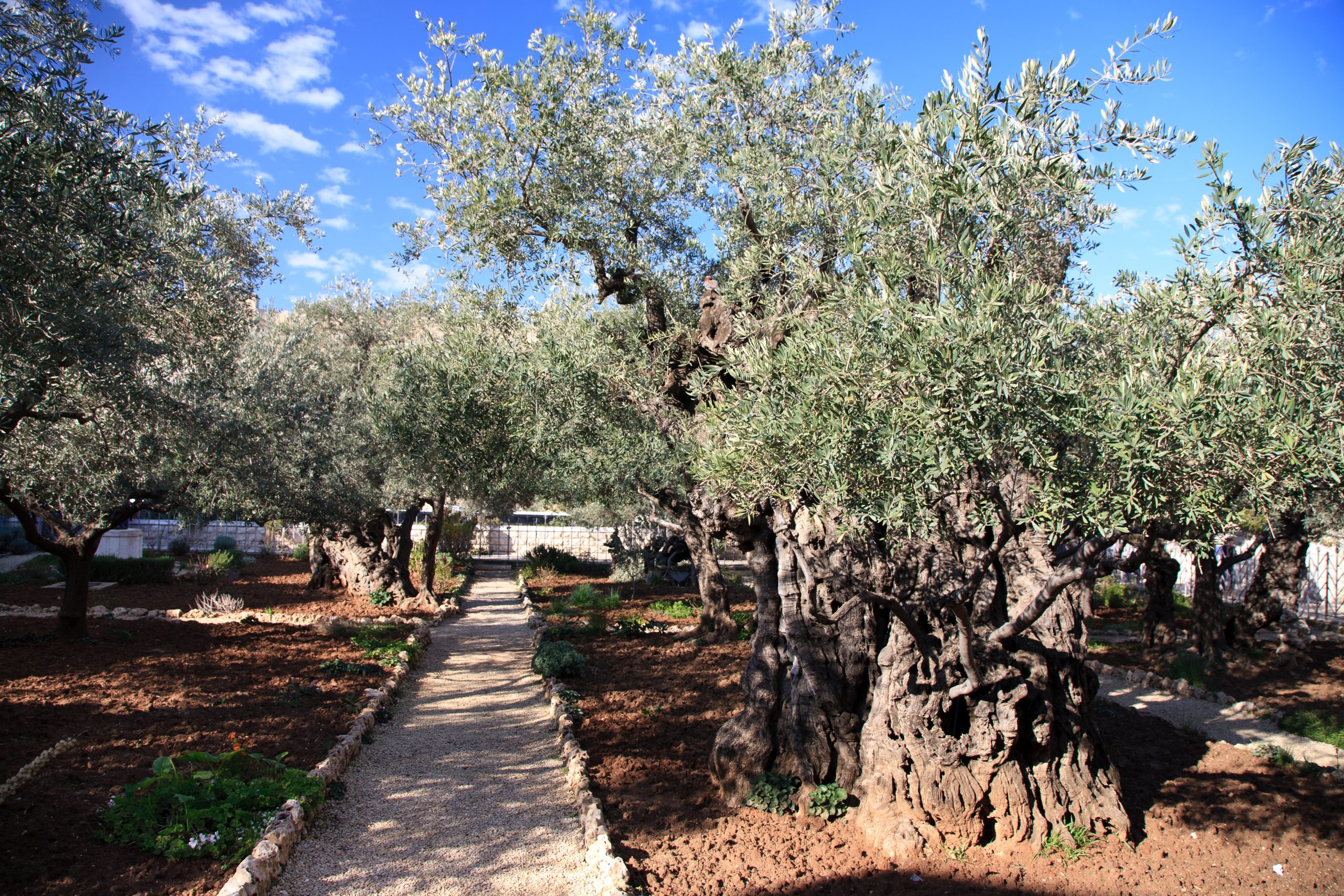
The Church of All Nations, a Roman Catholic church located at the foot of the Mount of Olives, marks the site of the Garden of Gethsemane. It was here that the Savior came after the Last Supper, where He prayed about the Cup, where Judas betrayed Him with a kiss, where soldiers arrested Him, and from where the Passion of Christ began. The name of the church symbolizes the unity of nations in their devotion to Christ.
Located in the Kidron Valley at the foot of the Mount of Olives, the Tomb of the Virgin Mary is considered the burial place of Mary, the mother of Jesus, as well as Saints Joachim and Anne. Above the tomb stands the cave church of the Assumption of the Virgin Mary.
The Church of Mary Magdalene is situated at the foot of the Mount of Olives within the Russian Orthodox Gethsemane Convent of Mary Magdalene. It was built in memory of Empress Maria Alexandrovna, the wife of Emperor Alexander II. The church houses the relics of Saint Grand Duchess Elizabeth and her devoted companion, Nun Barbara.
Located near the Lion’s Gate in the Old City, the Pool of Bethesda is an ancient pool mentioned in the Holy Gospel as the place where Jesus healed a paralyzed man.
